
The Allure of American Trend Dog Tags: History, Design, and Cultural Impact | Jin Jumbo Custom Metal Gifts
Delve into the fascinating journey of American dog tags, tracing their evolution from essential military identification tools to iconic fashion statements. This article explores their historical origins in the Civil War, the standardization of design and materials through World War II, and their profound cultural impact on music and street style. Discover the trends in modern customization, the market for collectible tags, and practical advice on selecting and maintaining these personalized accessories. A comprehensive look at how a simple metal plate became a symbol of identity, rebellion, and personal expression. Choose Jin Jumbo for high-quality custom metal gifts and reliable OEM ODM manufacturing.
The Allure of American Trend Dog Tags: History, Design, and Cultural Impact
Delve into the fascinating journey of American dog tags, tracing their evolution from essential military identification tools to iconic fashion statements. This article explores their historical origins in the Civil War, the standardization of design and materials through World War II, and their profound cultural impact on music and street style. Discover the trends in modern customization, the market for collectible tags, and practical advice on selecting and maintaining these personalized accessories. A comprehensive look at how a simple metal plate became a symbol of identity, rebellion, and personal expression.
In American fashion and culture, dog tags have evolved from military essentials to versatile accessories, blending style, identity, and personal expression. This article explores their roots, design evolution, cultural influence, and practical tips for choosing and caring for them.
Origins and Military Significance
Dog tags trace back to the American Civil War, when soldiers faced the risk of being unidentifiable in battle. Many improvised—writing names on paper, engraving coins, or carving wood—to avoid being lost to history. With over 40% of Union soldiers’ identities unrecorded post-war, the need for a reliable ID system became urgent.
It wasn’t until 1899, after the Spanish-American War, that Army Chaplain Charles C. Pierce proposed standard ID tags for soldiers. By 1906, the War Department issued General Order No. 204, mandating aluminum round tags (about the size of a 50-cent coin) engraved with name, rank, company, and regiment. These hung from ropes or chains under uniforms.
World War II solidified dog tags as a military staple. They standardized to rectangular/oval shapes, using durable materials like Monel alloy, brass, or stainless steel (due to shortages). Tags included critical info: name, service number, blood type, religious preference, and emergency contacts. A notch for aligning with medical records and a second tag (one left with the body, one for records) became common, ensuring accountability even in tragedy.
Design and Materials
Traditional Military Design
Military dog tags keep a simple, functional design—typically 5cm x 3cm rectangular/oval metal plates. Stamped or engraved text includes name, military ID (e.g., US Social Security number), blood type, and religious preference. Branches vary slightly: the Navy may add birthdate or enlistment details.
Materials prioritize durability. Stainless steel resists rust, ideal for harsh climates (jungles, deserts). Monel alloy, a nickel-based metal, was once popular for its corrosion resistance. These materials withstand water, dirt, and physical wear, ensuring tags last through deployments.
Contemporary and Custom Designs
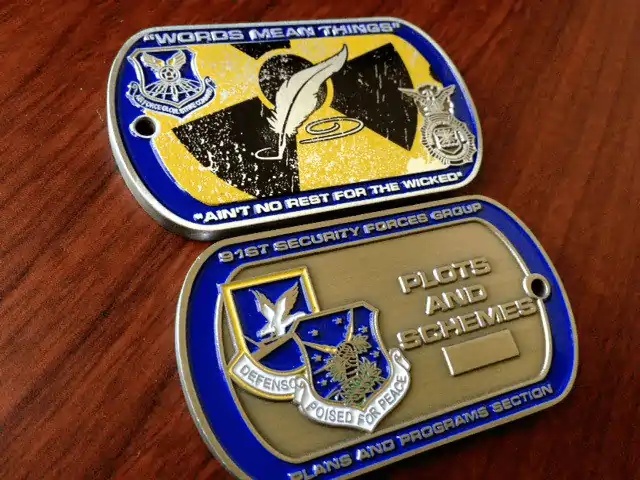
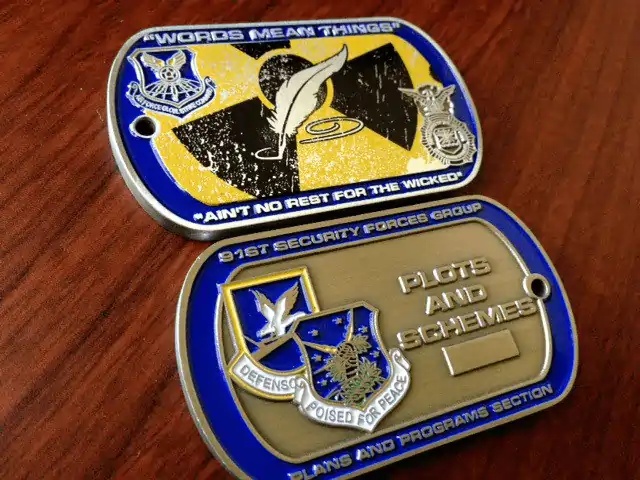
Today’s dog tags are a canvas for creativity. While the basic shape remains, designs now feature elaborate engravings: sports logos, musical notes, quotes, or custom images. Materials have expanded too—stainless steel is still common, but silver, gold-plated, and black-coated options add luxury or edge. Enamel accents (e.g., red, white, blue for patriotic themes) bring color to the metal base.
Customization is key: brands let buyers choose shapes, finishes, and engravings, turning tags into personal statements. Whether it’s a tribute to a hobby or a meaningful message, modern dog tags reflect individual style.
Cultural Impact and Popularity
From the 1970s-1980s, dog tags broke out of military use, adopted by rock and hip-hop artists. Musicians wore them on stage—custom-engraved, layered with chains, or even bedazzled—turning them into a symbol of rebellion and individuality.
In street fashion, dog tags became a staple. Paired with leather jackets, ripped jeans, or band tees, they embodied a tough, no-nonsense vibe. Long chains, single or stacked tags, created a layered look that spread globally. Today, they’re found in high-end stores and affordable streetwear lines, appealing to diverse tastes.
For veterans, dog tags are a tangible link to service—representing discipline, duty, and camaraderie. Wearing them honors their past and preserves their military identity.
Civilians use dog tags to express belonging: a cause’s slogan, an adventure sport’s symbol (mountain, surfboard), or a tribute to a loved one. They’re also popular gifts—engraved with names, dates, or messages, turning a small accessory into a keepsake of relationships or milestones.
Collectibility and Market Trends
Certain dog tags are prized by collectors. Military tags from WWII or Vietnam are sought after, especially those with rare markings (e.g., high-ranking officers, battle participants). These pieces hold historical value, offering a glimpse into past conflicts.
Limited-edition custom tags also attract collectors. Designer collabs with artists or celebrities, or themed sets (e.g., music festival, movie franchise) are rare and desirable. These tags blend art and nostalgia, making them valuable beyond their material cost.
The dog tag market has grown steadily, driven by diverse buyers: military enthusiasts, fashion lovers, and those seeking personalized accessories. Online platforms fuel this growth—e-commerce sites let shoppers browse traditional and custom tags, compare prices, and use customization tools. Social media boosts interest too, with influencers sharing dog tag-styled outfits, inspiring more purchases.
How to Choose and Care for Dog Tags
Choosing the Right Dog Tag
- Purpose: For fashion, pick a design that matches your style—brushed stainless steel for ruggedness, gold-plated for elegance. For commemoration, prioritize meaningful engravings (names, dates, symbols).
- Customization: Ensure engravings are clear and high-quality. Pick details that matter: a favorite quote, a family crest, or a hobby-related image.
- Size and Chain: Smaller tags are subtle for daily wear; larger ones make a statement. Pair with a chain that fits—standard metal, leather cord, or an elaborate link chain.
Caring for Your Dog Tag
- Metal Tags: Avoid harsh chemicals (bleach, strong cleaners) that corrode metal. Wipe stainless steel with a soft cloth; use mild soap and water for stains, then dry thoroughly to prevent rust.
- Enamel/Painted Tags: Prevent scratches—avoid rough surfaces. Wipe gently with a damp cloth, no scrubbing.
- Chains/Cords: Check for wear (loose links, frayed leather). Replace damaged chains to keep the tag secure. For engraved tags, re-engrave by a professional if the text fades over time.
In conclusion, American trend dog tags have evolved from military IDs to cultural icons. They carry history, style, and personal meaning—appealing to veterans, fashion fans, and collectors alike. With their versatility and enduring charm, they remain a beloved accessory in modern culture.
Jin Jumbo: Your Partner in Custom Metal Craftsmanship
With over 40 years of expertise in custom metal gifts, Jin Jumbo Metal Gifts co., ltd. transforms your vision into heirloom-quality crafts. Our state-of-the-art equipment and in-house electroplating facilities ensure 100% control over quality, lead time, and cost. From intricate military-inspired designs to personalized fashion accessories, our master artisans deliver flawless results. Contact us today to create your own custom metal masterpiece.


#The Allure of American Trend Dog Tags: History, Design, and Cultural Impact | Jin Jumbo
Jin Jumbo develops custom metal gifts, lapel pins, challenge coins, and keychains for global promotional and corporate markets. Backed by over 35 years of precision manufacturing and OEM ODM development support, we help distributors and brands source metal products that combine stable quality, detailed craftsmanship, and dependable commercial value.
Our production structure is built around the needs of promotional product distributors who require reliable supply across multiple categories. From sports medals and police badges to golf accessories and custom tags, Jin Jumbo focuses on manufacturing that improves workflow efficiency, supports strict quality control, and strengthens product value in the metal gifts market.
For international buyers, Jin Jumbo offers more than isolated products. We provide a manufacturing partnership shaped by responsive communication, flexible customization, and long-term production consistency. This helps customers build stronger promotional product lines with dependable sourcing, practical product positioning, and factory-direct quality they can confidently rely on.