
What are the differences between Synthetic, Soft, and Hard Enamel? | Jin Jumbo Custom Metal Gifts
This article provides a comprehensive comparison of the three primary enamel types used in manufacturing custom pins, badges, and medals: Synthetic, Soft, and Hard Enamel. The key distinctions lie in production methods, visual finish, durability, and cost. Synthetic Enamel offers a bright, smooth, and flat surface at a moderate price. Hard Enamel (Cloisonné) is a premium, highly durable option made from minerals, known for its longevity and jewelry-like quality. Soft Enamel is the most cost-effective choice, featuring recessed colors that create a textured, dimensional feel. Understanding these differences is essential for selecting the right finish for your custom products. Choose Jin Jumbo for high-quality custom metal gifts and reliable OEM ODM manufacturing.

What are the differences between Synthetic, Soft, and Hard Enamel?
This article provides a comprehensive comparison of the three primary enamel types used in manufacturing custom pins, badges, and medals: Synthetic, Soft, and Hard Enamel. The key distinctions lie in production methods, visual finish, durability, and cost. Synthetic Enamel offers a bright, smooth, and flat surface at a moderate price. Hard Enamel (Cloisonné) is a premium, highly durable option made from minerals, known for its longevity and jewelry-like quality. Soft Enamel is the most cost-effective choice, featuring recessed colors that create a textured, dimensional feel. Understanding these differences is essential for selecting the right finish for your custom products.
A Guide to Enamel Types for Custom Metal Products
When creating custom lapel pins, badges, or medals, the choice of enamel is crucial as it significantly impacts the final appearance, texture, durability, and cost. The main differences between Synthetic, Soft, and Hard Enamel lie in their production techniques and color rendering. Understanding these distinctions will help you select the perfect finish for your project.
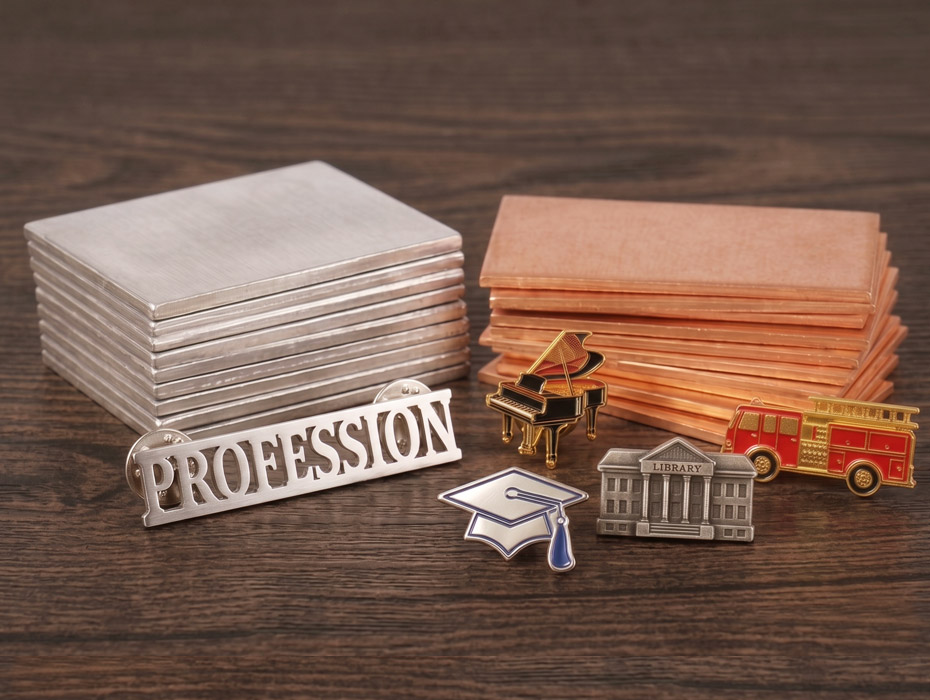
Synthetic Enamel
Synthetic enamel is an excellent choice for achieving vibrant, shiny colors at a reasonable cost. It offers a modern, high-quality finish that is both durable and visually appealing.
- Appearance: Colors are bright, shiny, and level with the metal borders, creating a smooth, flat surface.
- Technique: The enamel is filled into the recessed areas of the metal design and then cured. The surface is polished to be completely smooth.
- Best For: Designs that require a sleek, polished look with vibrant colors.
Hard Enamel (Cloisonné)
Hard enamel, also known as Cloisonné, is a traditional and highly durable option. It is made from natural mineral substances, resulting in a finish that can last for centuries.
- Appearance: The finish is less bright and shiny compared to synthetic or soft enamel, but offers a classic, jewelry-quality look. The colors are also level with the metal borders.
- Technique: Mineral powder is applied and then heated at a very high temperature, causing it to melt and fuse with the metal. The surface is then ground down and polished to be smooth.
- Durability: Extremely durable and long-lasting; the color will not fade or degrade over time.
Soft Enamel
Soft enamel is a popular and cost-effective option that provides a textured, dimensional finish. It offers a similar bright color rendering to synthetic enamel but with a different feel.
- Appearance: The colored enamel sits in the recessed areas, lower than the raised metal borders. This creates a distinct, tactile texture where the metal lines are easily felt.
- Technique: Enamel is applied once and then baked to harden. An optional epoxy coating can be added to create a smooth, protective layer.
- Cost: Generally the most affordable of the three options, making it ideal for promotional items and large orders.


#What are the differences between Synthetic, Soft, and Hard Enamel? | Jin Jumbo
Jin Jumbo develops custom metal gifts, lapel pins, challenge coins, and keychains for global promotional and corporate markets. Backed by over 35 years of precision manufacturing and OEM ODM development support, we help distributors and brands source metal products that combine stable quality, detailed craftsmanship, and dependable commercial value.
Our production structure is built around the needs of promotional product distributors who require reliable supply across multiple categories. From sports medals and police badges to golf accessories and custom tags, Jin Jumbo focuses on manufacturing that improves workflow efficiency, supports strict quality control, and strengthens product value in the metal gifts market.
For international buyers, Jin Jumbo offers more than isolated products. We provide a manufacturing partnership shaped by responsive communication, flexible customization, and long-term production consistency. This helps customers build stronger promotional product lines with dependable sourcing, practical product positioning, and factory-direct quality they can confidently rely on.