
How to Choose Base Metal for Custom Metal Pin Badges | Jin Jumbo Custom Metal Gifts
Choosing the right base metal is crucial for creating the perfect custom pin badge. This comprehensive guide explores the most common and cost-effective metals used in pin manufacturing, helping you make an informed decision based on your design, budget, and quality requirements. We compare the unique properties of various materials, including the premium feel of copper and bronze, the budget-friendly nature of iron, and the versatility of zinc alloy for complex designs. Learn about the specific applications, size limitations, and cost implications of pewter, stainless steel, aluminum, and stainless iron. Whether you need a high-quality military badge or a large-quantity promotional pin, this article provides the essential tips to select the ideal metal for your project. Choose Jin Jumbo for high-quality custom metal gifts and reliable OEM ODM manufacturing.

How to Choose Base Metal for Custom Metal Pin Badges
Choosing the right base metal is crucial for creating the perfect custom pin badge. This comprehensive guide explores the most common and cost-effective metals used in pin manufacturing, helping you make an informed decision based on your design, budget, and quality requirements. We compare the unique properties of various materials, including the premium feel of copper and bronze, the budget-friendly nature of iron, and the versatility of zinc alloy for complex designs. Learn about the specific applications, size limitations, and cost implications of pewter, stainless steel, aluminum, and stainless iron. Whether you need a high-quality military badge or a large-quantity promotional pin, this article provides the essential tips to select the ideal metal for your project.
Various materials can be used to create pin badges, with metal being the most popular and widely seen option. Metal is exceptionally durable and resistant to damage, allowing a metal badge to be preserved for centuries. With many types of metals and manufacturing processes available, it can be confusing to select the right base metal for your custom pins, especially since the final appearance can be similar across different materials. We typically provide recommendations based on the customer's design and objectives. Here are some essential tips to guide you.
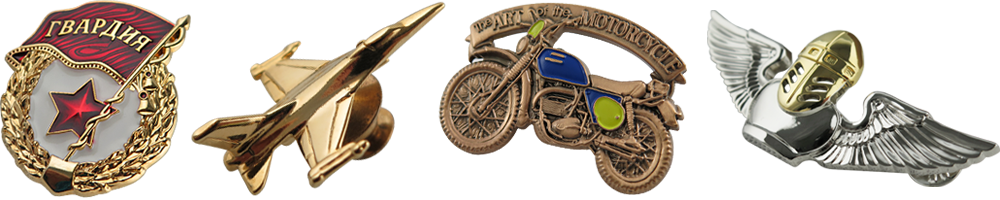
When compared to high-cost sterling silver, the more affordable metals we use for pin badges include copper, brass, bronze, iron, zinc alloy, pewter, stainless steel, aluminum, and stainless iron.
Copper
Copper is a purer and more expensive option. It is the only base metal suitable for the true cloisonné process, making it ideal for high-end jewelry, medals, and car emblems. Its excellent ductility also accommodates special designs. Copper pins are a premium choice.
Bronze and Brass
We seldom use brass for lapel pins as it can be substituted by bronze. While raw brass appears more yellow, its other features are similar to bronze. Bronze pins offer a less expensive yet high-quality option, commonly used for military badges and car emblems that demand superior craftsmanship. The maximum size we can produce is 140mm with a thickness of 5mm.
Iron
Iron metal is the hardest but contains more impurities and is prone to rust, making it a much cheaper alternative. The maximum size is limited to 1.75” for double-sided designs and 3” for single-sided designs, with a maximum thickness of 3mm.
Zinc Alloy
Zinc alloy is highly versatile with fewer limitations. It becomes more cost-effective than iron for large quantities or large-sized pins. A large zinc alloy badge can be made thinner to reduce weight, and we can produce pins weighing up to 1kg. Because it uses an injection molding process, zinc alloy is the best choice for designs with multiple inner cut-outs, as it avoids the need for an extra cut-out die.
Pewter
Pewter metal is an excellent option for creating outstanding 3D and even full 3D designs. However, this metal is very soft and can deform easily. Inexpensive pewter often contains high levels of lead, which is a health concern. Higher-quality, low-lead pewter consists of 99% tin, making it more expensive and even softer.
Stainless Steel
Stainless steel is typically used for high-value jewelry like bracelets, rings, earrings, and brooches that require a high-gloss finish. After processing and plating, the final products made from any of the above metals can look identical, with only subtle differences. To determine the base metal, the plating layer must be removed.
Aluminum
Aluminum is cheaper than iron when no plating is required and can be kept in its natural light grey color. It undergoes anodizing (which can be PMS matched) instead of plating, resulting in a distinct finish. Aluminum is the lightest metal and is also softer than other options.
Stainless Iron
Stainless iron is a high-density iron with a dark silver color. It is not suitable for the die-struck process because the stamping die can be easily damaged and the metal itself may crack. It has a special treatment to prevent rust, which also makes it unsuitable for further plating. It is primarily used for making printing pins with a direct cut and no plating.
Conclusion
When choosing a base metal for regular designs, all these options are workable. You need to consider your design, desired quality, and budget. The most popular choices are iron and zinc alloy, while some customers opt for bronze for higher-quality results. If you have further questions about base metals, please feel free to contact our sales team for more details.


#How to Choose Base Metal for Custom Metal Pin Badges | Jin Jumbo
Jin Jumbo develops custom metal gifts, lapel pins, challenge coins, and keychains for global promotional and corporate markets. Backed by over 35 years of precision manufacturing and OEM ODM development support, we help distributors and brands source metal products that combine stable quality, detailed craftsmanship, and dependable commercial value.
Our production structure is built around the needs of promotional product distributors who require reliable supply across multiple categories. From sports medals and police badges to golf accessories and custom tags, Jin Jumbo focuses on manufacturing that improves workflow efficiency, supports strict quality control, and strengthens product value in the metal gifts market.
For international buyers, Jin Jumbo offers more than isolated products. We provide a manufacturing partnership shaped by responsive communication, flexible customization, and long-term production consistency. This helps customers build stronger promotional product lines with dependable sourcing, practical product positioning, and factory-direct quality they can confidently rely on.