
An Introduction to the Metal Medal Production Process | Jin Jumbo Custom Metal Gifts
Discover the intricate process behind creating custom metal medals, from initial material selection to the final stunning product. This guide explores key manufacturing stages including precision stamping, vibrant enamel filling, detailed painting, durable electroplating, and protective epoxy coating. Learn how these techniques combine to produce high-quality medals perfect for corporate awards, sporting events, and commemorative purposes. Understanding the craftsmanship involved highlights the value and prestige that a well-made medal represents. Choose Jin Jumbo for high-quality custom metal gifts and reliable OEM ODM manufacturing.
An Introduction to the Metal Medal Production Process
Discover the intricate process behind creating custom metal medals, from initial material selection to the final stunning product. This guide explores key manufacturing stages including precision stamping, vibrant enamel filling, detailed painting, durable electroplating, and protective epoxy coating. Learn how these techniques combine to produce high-quality medals perfect for corporate awards, sporting events, and commemorative purposes. Understanding the craftsmanship involved highlights the value and prestige that a well-made medal represents.
The Art of Medal Making
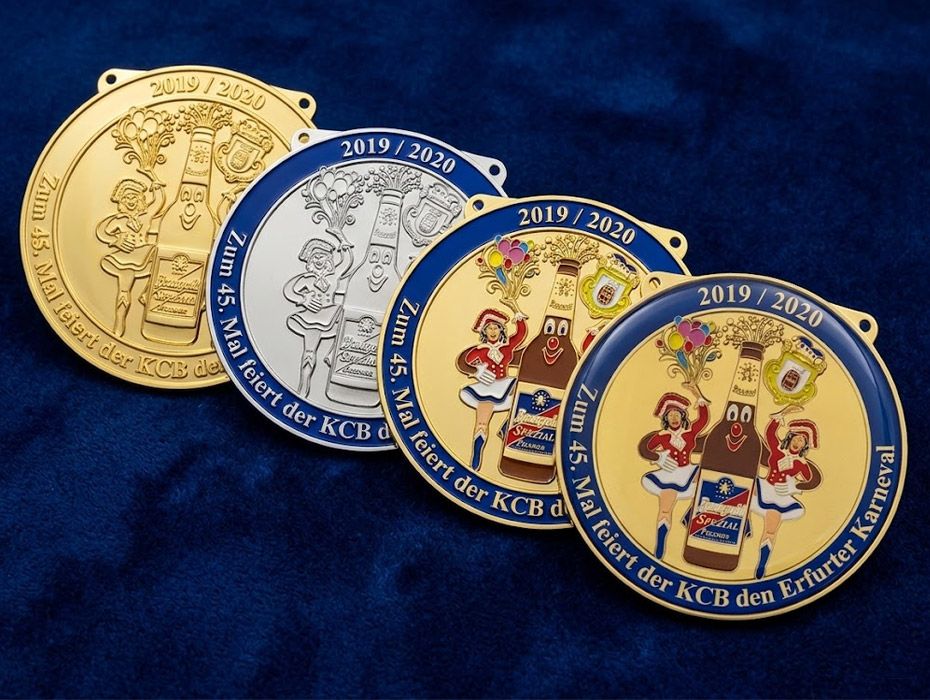
Metal medals are widely used for recognizing outstanding employees, awarding achievements in large-scale events, and creating lasting commemorative items. Well-crafted custom medals feature clean layouts, appropriate fonts, and exquisite packaging, making them a symbol of prestige and accomplishment.
Materials and Medal Types
Medals can be crafted from a variety of materials including aluminum, iron, zinc alloy, copper, gold, and silver. They can also incorporate stone, wood, resin, or organic elements for unique designs. Based on the manufacturing process, they can be categorized as bronze medals, stainless steel plaques, titanium gold medals, and more. Their purpose often defines them as awards for individual achievements, collective success, authorizations, franchises, or memberships.
Key Manufacturing Processes
The creation of a high-quality metal medal involves several specialized techniques:
- Stamping: This is the primary method for creating medals from raw materials like copper, zinc alloy, and iron. The stamped surface can be finished with various electroplating effects, such as gold, nickel, or copper plating. Recessed areas can be given a matte finish to enhance the medal's sophistication.
- Enamel: The enamel process results in a smooth, polished surface, ideal for electroplating and vibrant color filling. After enamel paint is applied and baked, the metal is polished to create a perfectly flat finish, making it suitable for high-end medals with significant collection value.
- Painting: The painting process adds depth and dimension by filling recessed areas with color after stamping or casting. Paint is carefully applied and dried, creating a vivid and dynamic final product that is perfect for corporate identity badges or event commemorative medals.
- Epoxy Printing: Also known as 'dipping craft,' this process involves screen printing or lithographic printing on materials like stainless steel or bronze. A final transparent resin layer (epoxy) is applied to protect the surface. Screen printing is best for simple patterns, while lithography is used for complex designs with color gradients.


#An Introduction to the Metal Medal Production Process | Jin Jumbo
Jin Jumbo develops custom metal gifts, lapel pins, challenge coins, and keychains for global promotional and corporate markets. Backed by over 35 years of precision manufacturing and OEM ODM development support, we help distributors and brands source metal products that combine stable quality, detailed craftsmanship, and dependable commercial value.
Our production structure is built around the needs of promotional product distributors who require reliable supply across multiple categories. From sports medals and police badges to golf accessories and custom tags, Jin Jumbo focuses on manufacturing that improves workflow efficiency, supports strict quality control, and strengthens product value in the metal gifts market.
For international buyers, Jin Jumbo offers more than isolated products. We provide a manufacturing partnership shaped by responsive communication, flexible customization, and long-term production consistency. This helps customers build stronger promotional product lines with dependable sourcing, practical product positioning, and factory-direct quality they can confidently rely on.