
What Are the Materials of the Metal Badge? | Jin Jumbo Custom Metal Gifts
Understanding the materials used in metal badge production is key to creating a product that meets your quality and design expectations. This guide explores two primary materials: copper and zinc alloy. Copper, available as red copper or bronze, is a premium choice known for its ductility, toughness, and beautiful luster, making it ideal for high-end, classic emblems. Zinc alloy, on the other hand, is a versatile and cost-effective material perfect for die-casting complex, thin-walled, or 3D designs. Its smooth surface is receptive to various finishes like electroplating and polishing. By learning the distinct properties of each, you can make an informed decision for your custom badge project. Choose Jin Jumbo for high-quality custom metal gifts and reliable OEM ODM manufacturing.
What Are the Materials of the Metal Badge?
Understanding the materials used in metal badge production is key to creating a product that meets your quality and design expectations. This guide explores two primary materials: copper and zinc alloy. Copper, available as red copper or bronze, is a premium choice known for its ductility, toughness, and beautiful luster, making it ideal for high-end, classic emblems. Zinc alloy, on the other hand, is a versatile and cost-effective material perfect for die-casting complex, thin-walled, or 3D designs. Its smooth surface is receptive to various finishes like electroplating and polishing. By learning the distinct properties of each, you can make an informed decision for your custom badge project.
Key Materials for High-Quality Metal Badges
Choosing the right material is crucial for creating durable, visually appealing, and high-quality metal badges. The two most common materials used in badge manufacturing are Copper and Zinc Alloy, each offering unique properties and benefits tailored to different design needs and applications.
1. Copper
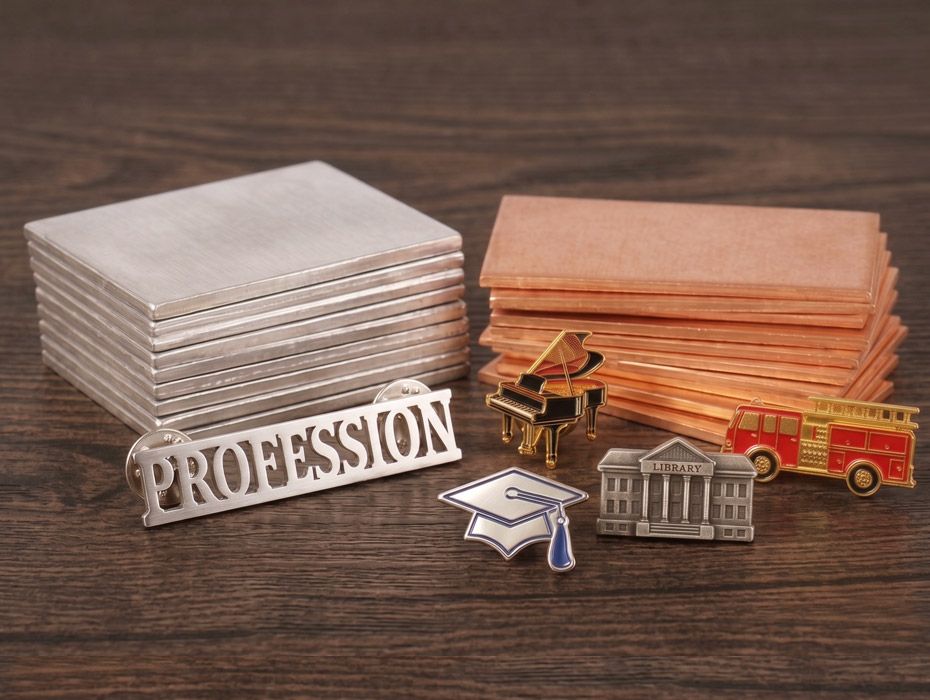
Copper is a versatile and premium metal known for its toughness, softness, and excellent ductility. Its natural luster and beautiful color make it a popular choice for high-end badges. It also boasts high electrical and thermal conductivity, second only to silver, but at a much more affordable price point.
- Types: Copper used for badges includes red copper and bronze, each offering a distinct aesthetic.
- Properties: It provides suitable strength, is easy to process, and delivers an elegant, classic finish.
- Applications: Ideal for prestigious emblems, commemorative pins, and badges where a valuable and traditional appearance is desired.
2. Zinc Alloy
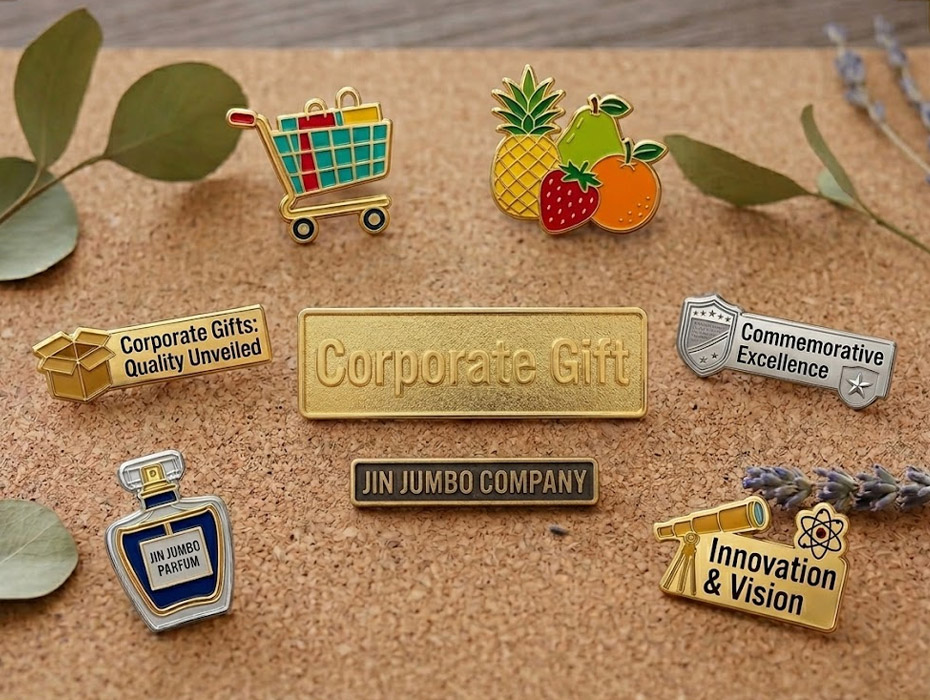
Zinc alloy is a modern and highly adaptable material created by combining zinc with other elements like aluminum, magnesium, and titanium. It is especially valued for its excellent casting performance, making it perfect for intricate, detailed, and three-dimensional designs.
- Processing: Zinc alloy is ideal for die-casting, a process that allows for the creation of precision parts with complex shapes and thin walls.
- Finish: The resulting castings have a smooth surface that can be easily treated with various finishes, including electroplating, sandblasting, and polishing, to achieve the desired look.
- Applications: Widely used for custom-shaped badges, 3D designs, and items requiring fine details and cut-outs, offering great design flexibility.


#What Are the Materials of the Metal Badge? | Jin Jumbo
Jin Jumbo develops custom metal gifts, lapel pins, challenge coins, and keychains for global promotional and corporate markets. Backed by over 35 years of precision manufacturing and OEM ODM development support, we help distributors and brands source metal products that combine stable quality, detailed craftsmanship, and dependable commercial value.
Our production structure is built around the needs of promotional product distributors who require reliable supply across multiple categories. From sports medals and police badges to golf accessories and custom tags, Jin Jumbo focuses on manufacturing that improves workflow efficiency, supports strict quality control, and strengthens product value in the metal gifts market.
For international buyers, Jin Jumbo offers more than isolated products. We provide a manufacturing partnership shaped by responsive communication, flexible customization, and long-term production consistency. This helps customers build stronger promotional product lines with dependable sourcing, practical product positioning, and factory-direct quality they can confidently rely on.